

Symptoms, Types, Causes and Treatment of Urticaria (Hives)
Urticaria is the medical term for hives: itchy, raised welts that appear suddenly on the skin and often fade within hours. Up to one in five people has urticaria at some point in their lives. Most cases are short-lived and harmless, while others last for weeks or months and need medical care. This guide covers what urticaria is, what causes it, the different types, and how it is diagnosed and treated.
What Is Urticaria?
The word urticaria comes from the Latin urtica, meaning stinging nettle, a plant that causes an itchy, welt-like rash on contact. In urticaria, special immune cells in the skin called mast cells release histamine and other chemicals. These cause tiny blood vessels to leak fluid into the skin, forming raised welts called wheals. When the same process happens in deeper layers of the skin, it causes swelling known as angioedema. Urticaria can include wheals, angioedema, or both.
Urticaria Symptoms
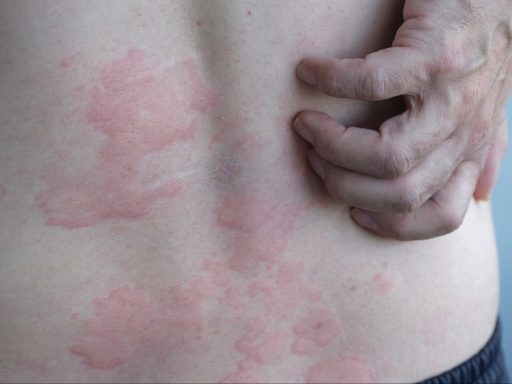
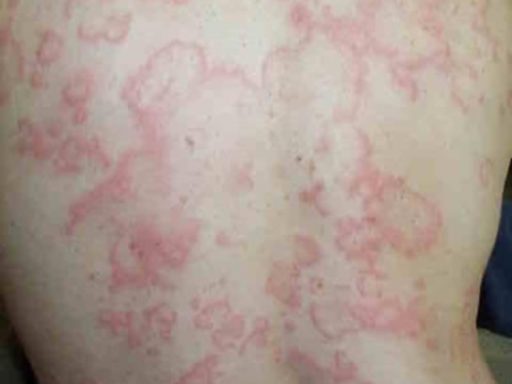
- Raised, itchy welts that may be red, pink or skin-colored, often with a paler center
- Burning or stinging in some people
- Welts that vary from a few millimeters to several inches across and can merge into larger patches
- Individual welts that fade within 24 hours, while new ones appear elsewhere
- Swelling of the lips, eyelids, hands or feet if angioedema is present
See our detailed guide to urticaria symptoms.
Types of Urticaria
- Acute urticaria: lasts less than 6 weeks. This is the most common type and is often triggered by an infection, food, medication or insect sting.
- Chronic spontaneous urticaria: hives that come and go for 6 weeks or longer with no clear outside trigger. Read more about chronic hives.
- Chronic inducible (physical) urticaria: hives triggered by a specific stimulus such as cold, heat, pressure, sunlight, sweating, water or scratching.
Explore every form on our types of hives page.
What Causes Urticaria?
Many things can trigger urticaria, including:
- Viral and other infections
- Foods such as shellfish, eggs, nuts, milk and fish
- Medications, including aspirin and other NSAIDs, antibiotics, ACE inhibitors and opioids
- Insect stings and bites
- Contact with latex, plants or animal dander
- Cold, heat, pressure, sunlight, exercise or sweating
- Stress
- Autoimmune conditions, such as thyroid autoimmunity
In many people, especially with chronic urticaria, no cause is ever found. Learn more about the causes of hives.
How Urticaria Is Diagnosed
Doctors usually diagnose urticaria from your history and a physical exam. They will ask when the hives started, how long each welt lasts, and what you ate, took or did beforehand. Short-term hives typically need no tests. For chronic urticaria, limited blood work may be done to rule out other conditions. Physical urticarias can be confirmed with simple provocation tests, such as applying a cold object to the skin. Extensive allergy testing is rarely helpful unless a specific trigger is suspected.
Urticaria Treatment
Treatment starts with avoiding any known trigger and taking a second-generation, non-sedating antihistamine. If that does not control symptoms, doctors can increase the dose or add other medicines. For chronic spontaneous urticaria that persists despite antihistamines, targeted treatments such as omalizumab, dupilumab and remibrutinib are available. Short courses of oral steroids may be used for severe flares. Hives are not a one-size-fits-all condition, so the right plan depends on the type and severity.
How Long Does Urticaria Last?
An individual wheal usually fades within 24 hours. Acute urticaria resolves within 6 weeks, and often within days. Chronic urticaria can come and go for months or years, although many people eventually see it clear up.
Is Urticaria Dangerous?
Call 911 or go to the nearest emergency room right away if hives come with trouble breathing, wheezing, tightness in the throat, swelling of the tongue or lips, dizziness or fainting. These can be signs of anaphylaxis, a severe allergic reaction that needs immediate treatment.
Urticaria itself is not contagious. Welts that last longer than 24 hours, leave bruising or feel painful should be checked by a doctor, since they can signal a different condition.
When to See a Doctor
See a doctor if your urticaria lasts more than a few days, keeps returning, covers large areas, causes swelling, or disrupts your sleep or daily life. Dr. Tiffany Young’s Hives Treatment Center in San Francisco is a practice dedicated to diagnosing and treating urticaria and related conditions, with online and in-person consultations.
Frequently Asked Questions About Urticaria
Is urticaria the same as hives?
Yes. Urticaria is the medical name for hives, and the terms are interchangeable.
Is urticaria an allergy?
Sometimes, but not always. Allergic reactions can trigger it, but many cases are caused by infections, physical triggers, or no identifiable cause at all.
Can urticaria be cured?
Acute urticaria usually goes away on its own. Chronic urticaria often fades over time, and treatment can control symptoms in the meantime.
Is urticaria serious?
Most of the time it is uncomfortable but not dangerous. It becomes serious if it comes with swelling of the throat or tongue, trouble breathing or fainting.
Get Treatment for Urticaria
No matter which type you have, relief is possible. Visit our hives treatment page to see the latest treatment options for your outbreak.
This information is for educational purposes only and is not a substitute for professional medical advice, diagnosis or treatment. If you think you are having a medical emergency, call 911.