
How to Recognize Hives: Appearance, Colors, Shapes and Skin Tone Differences
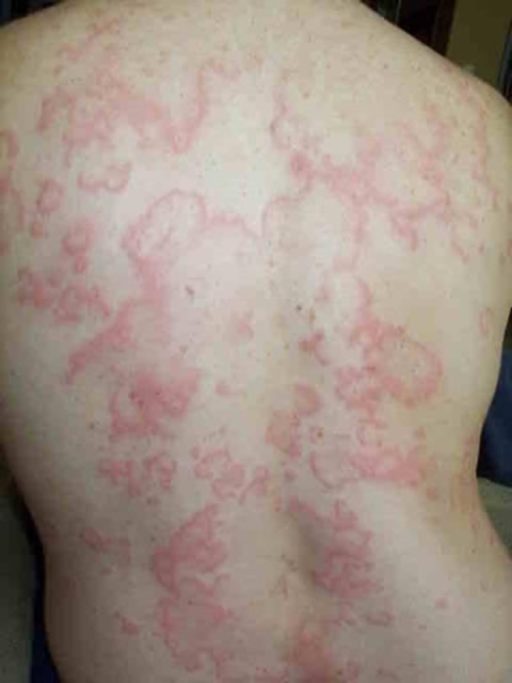
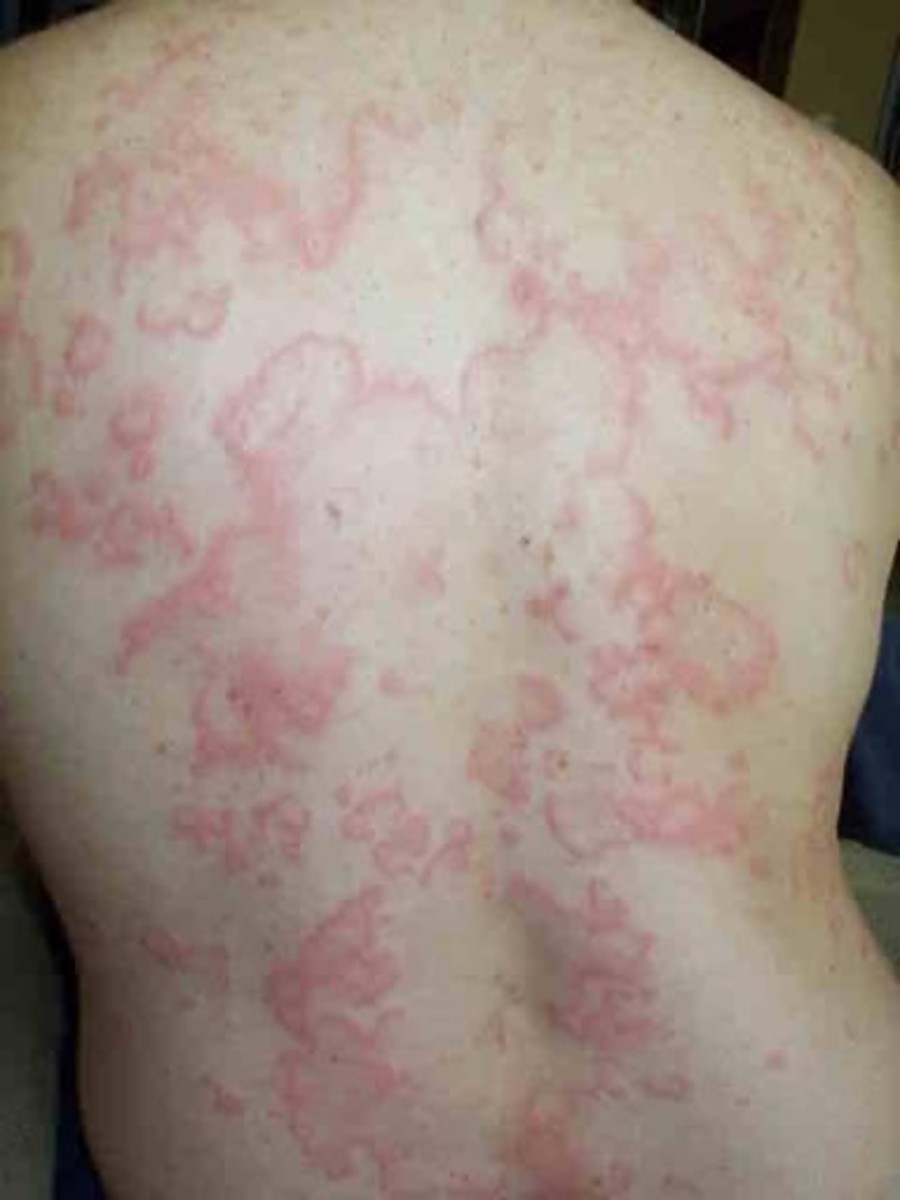
Hives look like raised, smooth, itchy welts on the skin that vary in size and shape and tend to come and go within hours. They are often red or pink, but their color depends on your skin tone and the type of hives. This guide describes what hives typically look like, how they change, and the patterns that help tell them apart from other rashes.
The Classic Look of Hives
- Raised welts (wheals): the skin is visibly puffy, with a smooth, flat-topped surface.
- Color: usually red or pink on lighter skin, often with a paler center.
- Edges: well-defined, though they can blur as welts spread.
- Blanching: pressing on a welt briefly turns the center pale.
- Itching: most hives itch, and some burn or sting.
What Hives Look Like on Different Skin Tones
Hives do not always look red. On lighter skin, they are typically pink or red. On brown and Black skin, the welts may appear skin-colored, darker brown, purplish, or slightly gray, and redness can be much harder to spot. The most dependable signs on any skin tone are the raised, swollen texture, the itch, and the way the welts move around. See hives on Black skin for more.
Size and Shape
- Small: as tiny as a pinhead to a pencil eraser.
- Large: several inches across, or as large as a dinner plate.
- Round, oval or irregular: many hives are round or oval, but they can have odd, map-like outlines.
- Ring-shaped: welts that clear in the middle and leave a ring.
- Merged patches: neighboring welts can join into large plaques.
How Hives Change Over Time
Hives are rarely static. They can grow, spread, merge, or fade within minutes to hours. An individual welt usually disappears within 24 hours without leaving a mark, while new ones form elsewhere. That ever-changing quality is one of the best clues that a rash is hives. Read about hives symptoms for the full picture.
Special Patterns of Hives
- Cholinergic hives: clusters of tiny welts with surrounding redness, often after heat, sweating or exercise.
- Dermatographic hives: raised lines where the skin was scratched or stroked.
- Cold hives: welts and swelling on skin exposed to cold.
- Pressure hives: deep swelling where straps or tight clothing pressed on the skin, often delayed by hours.
- Hives with swelling: puffy lips, eyelids, hands or feet are a sign of angioedema.
What Hives Do Not Usually Look Like
Ordinary hives do not usually blister, crust, scale or ooze, and they do not typically stay in the same spot for days. Welts that last more than 24 hours, feel painful instead of itchy, or leave bruising or dark marks should be checked by a doctor. Our comparison of hives vs. other rashes shows how to tell the difference between hives, eczema, bug bites and more.
See Real Examples
Photos are the easiest way to compare. Browse our gallery of pictures of hives to see how they look on different parts of the body.
Take a Photo for Your Doctor
Because welts fade quickly, a photo can help your doctor see what you saw. Take clear pictures in good light as soon as welts appear, include a close-up and a wider shot, and note the date and any possible triggers.
When Hives Are an Emergency
Call 911 or go to the nearest emergency room right away if hives come with trouble breathing, wheezing, tightness in the throat, swelling of the tongue or lips, dizziness or fainting. These can be signs of anaphylaxis, a severe allergic reaction that needs immediate treatment.
When to See a Doctor
See a doctor if your hives last more than a few days, keep coming back, or you are unsure whether what you have is hives. Dr. Tiffany Young’s Hives Treatment Center in San Francisco offers online and in-person consultations, which can include a review of photos of your rash.
Frequently Asked Questions
Do hives always look red?
No. Color depends on skin tone and type. Hives can be red, pink, skin-colored, brown or purplish.
Do hives look like bug bites?
They can. Both are raised and itchy, but bug bites tend to stay in one spot with a central puncture mark, while hives move around and fade within a day.
Do hives look different on the face?
Facial hives look the same as hives elsewhere, but swelling of the lips and eyelids is more noticeable and more common there.
Think You Have Hives?
If your skin matches this description, the next step is getting relief. Visit our hives treatment page to see the latest treatment options for your outbreak.
This information is for educational purposes only and is not a substitute for professional medical advice, diagnosis or treatment. If you think you are having a medical emergency, call 911.