

Hives (also called urticaria) are one of the most common skin reactions, and they are usually easy to recognize. The main symptom is raised, itchy welts that appear suddenly on the skin. Hives can look different from person to person, though, so knowing the full range of symptoms of hives can help you tell what you’re dealing with and what to do next.
The Most Common Symptoms of Hives
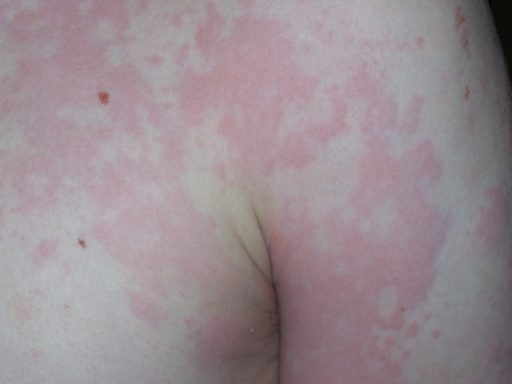
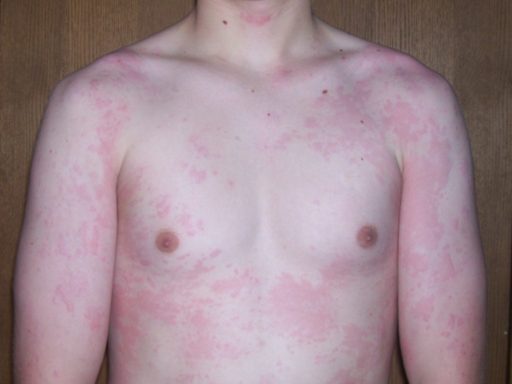
- Raised welts (wheals): Hives show up as raised, smooth, flat-topped bumps on the skin. They are often red or pink, but they can also be skin-colored or look pale in the center with a red border. On darker skin tones, welts may look purplish, brown or only slightly different from the surrounding skin.
- Itching: Intense itching is the hallmark symptom of hives. Some people also feel burning or stinging.
- Blanching: When you press on a hive, the center usually turns pale for a moment.
- Different sizes and shapes: Welts can be as small as a pencil eraser or as large as a dinner plate. They may be round, oval or ring-shaped.
- Spreading or merging: Hives can grow, spread or join together into large patches of raised, red skin.
- Moving around: Individual welts typically fade within 24 hours, but new ones can appear in other places. Hives often seem to come and go, disappearing and then returning minutes or hours later.
- Sudden onset: Hives usually appear quickly, often seeming to come out of nowhere.
Where Hives Appear on the Body
Hives can show up anywhere on the skin. Many people first notice them on the chest, back, stomach, and the upper parts of the arms and legs. They can also appear on the face, neck, hands, feet and ears. Because the welts tend to move, the spot where you first noticed them is often not where they end up.
Wondering whether what you’re seeing is hives or something else? Our guides to what hives look like and how hives differ from other rashes can help you compare.
Swelling Under the Skin (Angioedema)
Some people with hives also develop angioedema, which is swelling in the deeper layers of the skin. It most often affects the lips, eyelids, face, hands and feet. Angioedema may feel tender, warm or painful rather than itchy, and it can take longer to go away than the surface welts. Swelling of the lips or eyelids is common and usually not dangerous on its own, but swelling of the tongue or throat is an emergency (see below).
How Long Do Hives Symptoms Last?
Doctors describe hives by how long they last:
- Acute hives last less than 6 weeks. Most cases clear up within a few days.
- Chronic hives come and go for 6 weeks or longer. They can continue for months or even years in some people. If this sounds like you, read more about chronic hives.
Why Hives Symptoms Vary From Person to Person
No two cases of hives are exactly alike. You might have only mild itching with a few skin-colored welts, while someone else has bright red welts covering large areas of the body along with intense burning. Hives happen when the body releases histamine and other chemicals into the skin, which causes fluid to leak from small blood vessels and form welts. The reasons that happens differ from case to case, so your symptoms may not match those of a friend or family member. Learn more about the causes of hives.
Finding the trigger can help you avoid future outbreaks, but many people never pin one down, especially with long-lasting hives. If you can’t identify a cause, that’s common and not a sign that you’ve done anything wrong.
When Hives Are a Medical Emergency
Call 911 or go to the nearest emergency room right away if hives appear along with any of the following:
- Difficulty breathing, wheezing or shortness of breath
- Tightness in the throat or trouble swallowing
- Swelling of the tongue, lips or face
- Dizziness, fainting or a rapid heartbeat
- Vomiting or severe stomach cramps shortly after exposure to a food, medication or insect sting
These can be signs of anaphylaxis, a severe allergic reaction that needs immediate care.
When to See a Doctor About Your Hives
Even without emergency symptoms, it’s a good idea to see a doctor if your hives:
- Last more than a few days or keep coming back
- Are so itchy or widespread that they interfere with sleep or daily life
- Come with a fever, joint pain or other symptoms
- Don’t respond to over-the-counter antihistamines
Frequently Asked Questions About Hives Symptoms
Are hives always itchy?
Itching is the most common symptom, but not everyone has it. Some people feel burning or stinging instead, and angioedema is often tender or painful rather than itchy.
Do hives leave marks or scars?
Hives themselves don’t normally leave scars. If you scratch heavily, you can break the skin, which may cause irritation or temporary marks. Welts that stay in the same spot for more than 24 hours or leave bruising should be checked by a doctor.
Can hives spread from person to person?
No. Hives are not contagious. They are a reaction happening inside your own body, not an infection you can pass on.
Can hives come with a fever?
Hives themselves don’t usually cause a fever. If you have a fever along with hives, an infection or another illness may be involved, so it’s worth talking to a doctor.
What to Do If You Have Hives Symptoms
If you recognize these symptoms, the next step is finding a treatment approach that brings relief and helps prevent further outbreaks. See our hives treatment page for the latest treatment options for your outbreak.
This information is for educational purposes only and is not a substitute for professional medical advice, diagnosis or treatment. If you think you’re having a medical emergency, call 911.