No, hives are not contagious. You can’t catch hives from another person or pass them to someone else by touching, sharing a towel, hugging, kissing or sharing a home. Hives (also called urticaria) are a reaction inside your own body, not an infection. There are a few situations that cause confusion, though, and they’re explained below.
Why Hives Aren’t Contagious
Hives happen when your skin releases histamine and other chemicals that make fluid leak from tiny blood vessels, forming raised, itchy welts. Your immune system and skin are reacting to a trigger, such as a food, medication, infection, temperature change or pressure. Because the reaction is specific to your body, there is no germ in the welts to pass on to anyone else. This is true of every type, including chronic hives.
Why Two People in the Same Home Can Both Get Hives
It’s easy to assume hives spread when a family member develops them after you did, but that usually comes down to a shared trigger, not catching hives from each other. For example:
- You both ate the same food or took the same medication.
- You were both exposed to the same insect sting, plant or new laundry detergent, soap or lotion.
- You both caught the same virus. See below.
In each of these cases, the cause was shared, but the hives themselves were not passed from one person to the other.
When Hives Are Linked to a Contagious Illness
Although hives are not contagious, an infection that triggers them can be. Viral infections such as colds and the flu are among the most common causes of short-term hives, especially in children, and bacterial infections like strep throat can do the same. A child with viral hives may have caught a contagious virus, and others can catch the virus, but they won’t necessarily get hives. Fever, sore throat, cough or other illness symptoms alongside hives are a hint that an infection may be involved.
Contagious Rashes That Can Look Like Hives
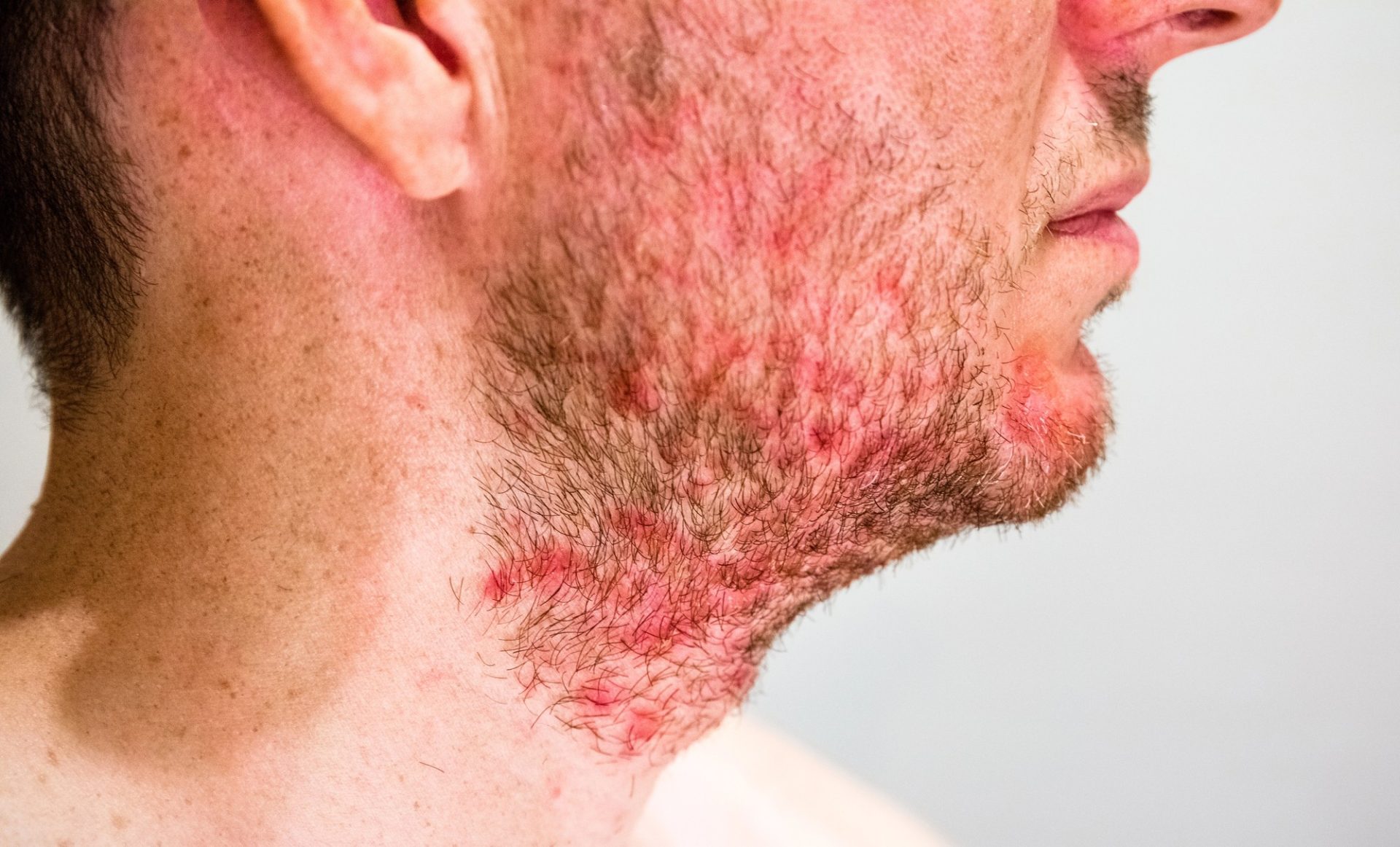
Sometimes a rash that looks like hives is actually something else, and some of those conditions are contagious. Examples include scabies, chickenpox, measles, ringworm and impetigo. A few clues that your rash may not be hives:
- The spots stay in the same place for more than 24 hours instead of moving around.
- You see blisters, crusting, scaling or open sores.
- The rash comes with a fever, or others around you have a similar rash.
- It’s itchiest at night in skin folds, between the fingers or at the waistline, which is typical of scabies.
See our guides to hives vs. other rashes and scabies vs. hives to compare, and ask a doctor if you’re not sure.
Can You Get Hives From Touching Someone With Hives?
No. The only exception is a trigger passing from one person to another, not the hives. For example, if someone’s skin has latex, a plant sap or a lotion on it that you happen to be sensitive to, touching it could cause you to react. In that case, you reacted to the substance, not to their hives.
Everyday Questions: What’s Safe?
If someone in your household has hives, you can:
- Share towels, bedding, utensils, toilets and lotions.
- Hug, hold hands, kiss and sit close together.
- Be around pets and children as usual. Hives can’t spread to them either.
Children with hives can usually go to school or daycare, unless they have a fever or another sign of illness. If you’re unsure, check with your child’s doctor.
Why Hives Seem to “Spread” on Your Own Body
Hives can seem to spread across your body, growing, merging into larger patches and appearing in new places within minutes or hours. That’s the reaction itself moving, not a contagious process. Scratching and heat can trigger new welts, but they don’t carry the hives from one spot to another. Our guide to what causes hives explains more about why they appear.
When Hives Are a Medical Emergency
Call 911 or go to the nearest emergency room right away if hives come with trouble breathing, wheezing, tightness in the throat, swelling of the tongue or lips, dizziness or fainting. These can be signs of a severe allergic reaction (anaphylaxis).
When to See a Doctor
- Your hives last more than a few days or keep coming back.
- You have a fever, sore throat, joint pain or other symptoms of illness.
- The rash has blisters, crusts or open sores, or doesn’t move or fade within 24 hours.
- Others in your home develop the same rash.
Frequently Asked Questions About Contagious Hives
Are chronic hives contagious?
No. Chronic hives last 6 weeks or longer, but they are not an infection and can’t be spread to others.
Can hives spread to my baby or kids?
No. Hives themselves don’t spread, but if a contagious virus triggered them, your child could catch the virus, which may or may not cause hives.
Are stress hives contagious?
No. Stress can trigger or worsen hives in some people, but that is a personal reaction and can’t be passed to anyone else.
Can pets catch hives from me?
No. Hives can’t be passed between people and animals.
Get Relief for Your Hives
Knowing that hives can’t spread to your family is reassuring, but you still want your outbreak under control. Visit our hives treatment page to see the latest treatment options for your outbreak.
This information is for educational purposes only and is not a substitute for professional medical advice, diagnosis or treatment. If you think you’re having a medical emergency, call 911.