
Does Benadryl Help With Hives, and Is It the Right Choice?
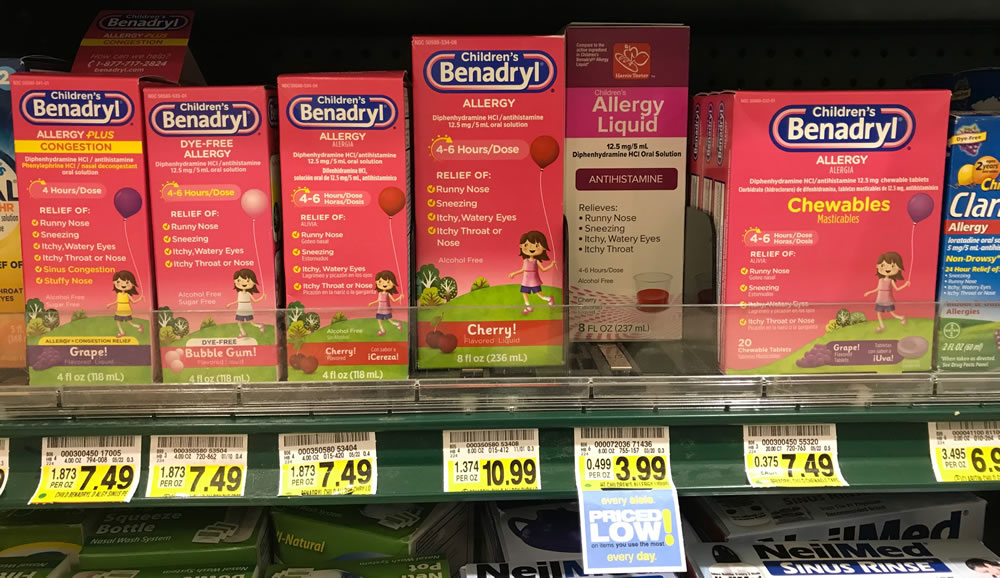
Benadryl can help with hives, but it is usually not the best choice. Benadryl (diphenhydramine) is an older, sedating antihistamine that can ease itching and welts, but it often causes drowsiness, and newer non-sedating antihistamines are generally preferred for hives. This guide explains how Benadryl works, when it might make sense, and what to use instead.
Does Benadryl Help With Hives?
Yes, for many people. Diphenhydramine blocks histamine, the chemical that causes hives to itch and swell, so it can calm itching and reduce welts. It works fairly quickly, often within 30 minutes to an hour. The downside is that its effects wear off in about 4 to 6 hours, so it needs repeat doses, and it makes many people very drowsy.
Why Doctors Usually Prefer Other Antihistamines
Medical guidelines recommend second-generation, non-sedating antihistamines as the first treatment for hives. They last longer, usually need just one dose per day, and cause much less drowsiness. Benadryl can cause:
- Strong drowsiness and impaired thinking, which makes driving or working unsafe
- Dry mouth, blurred vision and constipation
- Trouble urinating, especially in older men
- Confusion or falls in older adults
- Restlessness or hyperactivity in some children
See the best antihistamine for hives to compare better-suited options.
When Benadryl Might Be Used
Some doctors are comfortable with an occasional dose of Benadryl, for example at bedtime when itching is keeping you awake, since the drowsiness can be an advantage then. It should not be your main, long-term treatment. Ask your doctor or pharmacist what makes sense for you.
Safety Tips If You Use Benadryl
- Follow the package directions for your age and weight. Do not take more than the label allows.
- Do not drive, use machinery or make important decisions after taking it.
- Avoid alcohol, sleeping pills and other sedatives.
- Do not take more than one product containing diphenhydramine, including some night-time cold and pain products.
- Do not give it to infants or young children without a doctor’s guidance.
- Adults over 65 and people with glaucoma, an enlarged prostate, or breathing problems should ask a doctor first.
What About Benadryl Cream?
Topical diphenhydramine creams and sprays are not recommended for hives. They can irritate the skin or cause a rash of their own, and they are not effective for hives that are deeper in the skin. Learn about safer ways to treat hives at home.
Benadryl Is Not Enough for a Severe Allergic Reaction
Go to the emergency room or call 911 immediately if hives are accompanied by difficulty breathing, wheezing, throat tightness, swelling of the lips, tongue or face, light-headedness or a sense that something is seriously wrong. These are warning signs of anaphylaxis.
Benadryl does not treat anaphylaxis. Epinephrine is the emergency medicine for that, so do not rely on Benadryl if you have trouble breathing or swelling of the throat or tongue.
When to See a Doctor
If you are reaching for Benadryl often, or your hives keep coming back, it is time to talk to a doctor about a better long-term plan. Learn how long hives last and when to expect them to clear. Dr. Tiffany Young of the Hives Treatment Center in San Francisco sees patients with ongoing hives through online and in-person consultations.
Frequently Asked Questions
How much Benadryl should I take for hives?
Follow the dosing on the product label for your age and weight, and ask a doctor or pharmacist if you are unsure. Children’s dosing in particular depends on weight, so check with a pediatrician.
Can I take Benadryl and Zyrtec together?
Do not combine antihistamines unless a doctor tells you to. Taking two can increase drowsiness and other side effects.
How long does Benadryl take to stop hives?
It usually eases itching within about an hour, but new welts may continue to appear, and effects last only a few hours.
Find a Better Long-Term Plan
Relief that lasts, without constant drowsiness, is possible. Visit our hives treatment page to see the latest treatment options for your outbreak.
This information is for educational purposes only and is not a substitute for professional medical advice, diagnosis or treatment. If you think you are having a medical emergency, call 911.