What Skin Hives Are, Why They Appear and How to Soothe Them
Hives on skin appear as raised, itchy welts that seem to come out of nowhere. They can show up on any part of the body, change shape within hours, and fade as quickly as they arrived. This guide explains what is happening in your skin, what hives look like, common causes, and how to care for your skin while they heal.
What Are Hives on the Skin?
Hives (urticaria) are a reaction in the skin’s upper layers. Mast cells in the skin release histamine, which makes small blood vessels leak fluid. The fluid collects in the skin, creating raised, swollen welts called wheals. Because the swelling is in the skin itself, hives can be red, pink or skin-colored, itchy, and sometimes burning or stinging. Hives that involve deeper layers cause swelling known as angioedema.
What Do Hives on Skin Look Like?
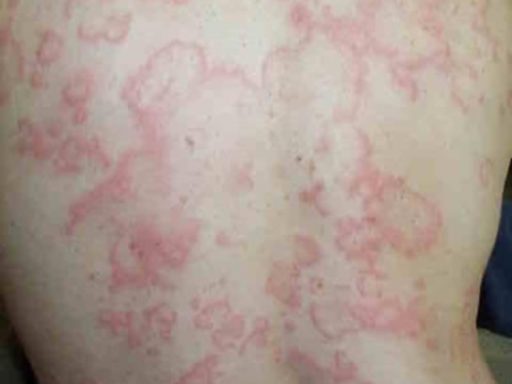
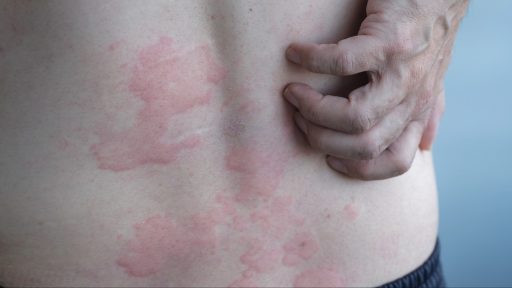
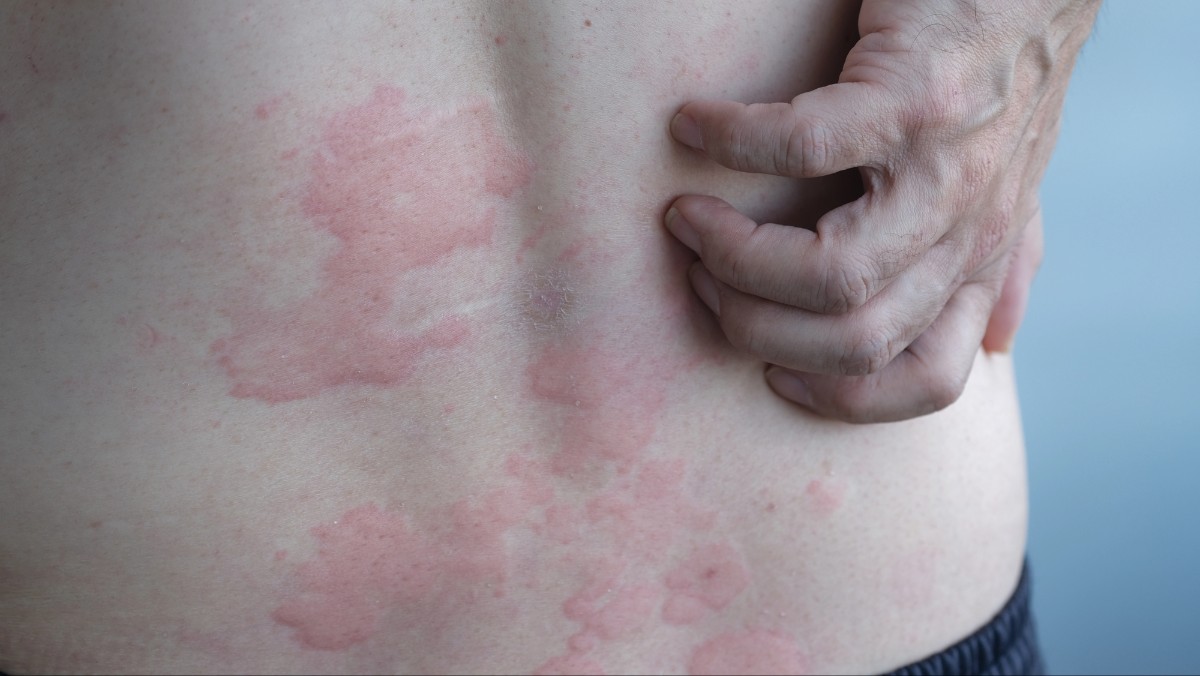
- Raised, smooth, flat-topped bumps or patches
- Red or pink on lighter skin; skin-toned, brown, purplish or slightly darker or lighter on deeper skin tones
- Sometimes paler in the center with a red or darker edge
- Anywhere from pencil-eraser size to larger than a dinner plate, sometimes merging into plaques
- Moving or changing shape over minutes to hours, with individual welts typically fading within 24 hours
For a more detailed breakdown, see what hives look like.
Where Do Hives Appear on the Skin?
Hives can appear anywhere: the chest, back, stomach, arms, legs, hands, feet, face, ears, lips and even the genitals. Many people first notice them on skin that is covered by clothing, where friction and warmth are more likely. Hives in the mouth, on the tongue, or on the lips can be a sign of deeper swelling that needs prompt attention.
Hives on Different Skin Tones
On lighter skin, hives are typically pink or red. On brown and Black skin, redness can be harder to see, and welts may look skin-toned, darker, purplish or slightly gray. The raised, swollen surface and the itch are often the most reliable signs. Read more about hives on Black skin.
What Causes Hives on the Skin?
Common causes include:
- Allergic reactions to foods, medications or insect stings
- Viral and other infections
- Heat, cold, pressure, sunlight, sweating or exercise
- Contact with latex, plants or pet dander
- Stress
Often, especially with long-lasting hives, no cause is found. Learn about the causes of hives in more detail.
How Long Do Hives on Skin Last?
Each welt usually fades within 24 hours, but new ones can keep forming. A typical outbreak lasts a few days, while chronic hives come and go for 6 weeks or longer. See how long hives last for more.
Caring for Skin With Hives
- Keep skin cool. Use cool compresses and lukewarm showers.
- Don’t scratch. It can irritate skin and trigger more welts.
- Moisturize gently with a plain, fragrance-free product.
- Wear loose clothing in soft, breathable fabrics.
- Avoid harsh products such as fragranced soaps, strong exfoliants and essential oils.
- Consider a non-sedating antihistamine for itch, following the label and checking with a doctor if you are pregnant or treating a child.
Hives or Another Skin Condition?
Eczema, bug bites, heat rash, contact dermatitis and viral rashes can look like hives. Rashes that stay in one place for days, blister, scale, or leave bruising are less likely to be hives. Our guide to hives vs. other rashes explains how to tell them apart.
When Hives on Skin Are an Emergency
Treat these symptoms as an emergency and call 911 if hives appear together with shortness of breath, a hoarse voice or trouble swallowing, swelling of the face, tongue or throat, a racing heartbeat, fainting, or vomiting and severe stomach cramps soon after a food, medication or insect sting. Do not wait to see whether they pass.
When to See a Doctor
See a doctor if hives last more than a few days, return repeatedly, cover large areas, appear in your genital area, or come with fever or joint pain. The Hives Treatment Center in San Francisco, founded by Dr. Tiffany Young, offers online and in-person care for hives that need professional attention.
Frequently Asked Questions About Hives on Skin
Are hives on skin contagious?
No. Hives cannot be spread from person to person.
Do hives leave marks on the skin?
Ordinary hives fade without scars or bruising. Heavy scratching can leave temporary marks.
Can hives appear only on one part of the skin?
Yes. Physical hives, such as those from cold, pressure or sunlight, often appear only where the skin was exposed.
Calm Your Skin for Good
If hives keep returning, soothing your skin is only part of the answer. Visit our hives treatment page to see the latest treatment options for your outbreak.
This information is for educational purposes only and is not a substitute for professional medical advice, diagnosis or treatment. If you think you are having a medical emergency, call 911.