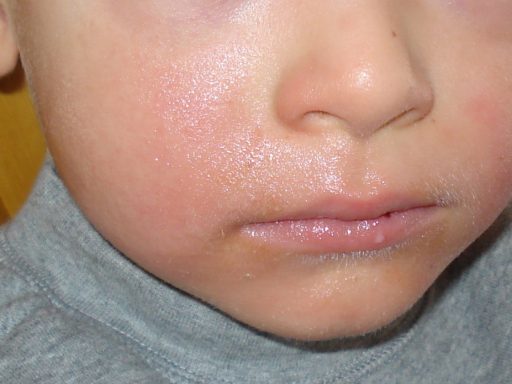


7 Steps to Get Rid of Hives and Find Relief
If you are wondering how to get rid of hives, the answer usually combines three things: calming the itch, avoiding whatever set them off, and giving your body time. Most hives fade within a few days, and the steps below can make you more comfortable and help keep them from returning.
1. Rule Out an Emergency First
Call 911 or go to the nearest emergency room right away if hives come with trouble breathing, wheezing, tightness in the throat, swelling of the tongue or lips, dizziness or fainting. These can be signs of anaphylaxis, a severe allergic reaction that needs immediate treatment.
2. Identify and Avoid Your Trigger
If you can pinpoint what caused the outbreak, such as a new food, a medication, an insect sting, a new soap or detergent, heat or an infection, stay away from it. Many people never find a trigger, so do not be discouraged if you cannot. Read about the common causes of hives for ideas of what to look for.
3. Cool the Skin
Cool compresses and lukewarm showers calm itching and swelling. Avoid hot baths, saunas, heavy exercise and anything else that makes you sweat while hives are active.
4. Stop Irritating Your Skin
- Resist scratching, which can make welts spread.
- Wear loose, soft cotton clothing, and avoid tight straps and waistbands.
- Use fragrance-free soap and moisturizer.
5. Take a Non-Sedating Antihistamine
Over-the-counter non-sedating antihistamines, such as cetirizine, loratadine or fexofenadine, are the usual first medicine for hives and can relieve itching and reduce new welts. Follow the label directions, and ask a doctor or pharmacist first if you are pregnant, giving medicine to a child, or taking other medications. Compare your options in our guide to the best antihistamine for hives.
6. Avoid Medicines That Can Make Hives Worse
Aspirin and other NSAIDs, such as ibuprofen, can trigger or worsen hives in some people. Ask your doctor or pharmacist which pain reliever is safe for you. Do not stop a prescribed medication on your own, but do tell your doctor if you suspect it started your hives.
7. Keep a Record and Know When to See a Doctor
Write down when the hives started, what you ate, took or did beforehand, and how long each outbreak lasts. See a doctor if your hives last more than a few days, return repeatedly, cover large areas, or reach the 6-week mark, which is when they are called chronic. Dr. Tiffany Young’s Hives Treatment Center in San Francisco treats hives through online and in-person consultations.
How Long Will It Take to Get Rid of Hives?
Individual welts typically fade within 24 hours. A full outbreak often lasts days to a few weeks, and chronic hives can last months or longer. Our guide on how long hives last has the details. Because the timeline varies so much, there is no single instant fix, but the steps above give most people real relief while the outbreak runs its course.
What to Avoid
- Hot showers and baths
- Scratching and rubbing the skin
- Tight or rough clothing
- Alcohol, heat and strenuous exercise if they seem to trigger your hives
- Unproven remedies that can irritate skin, such as undiluted vinegar or essential oils
Frequently Asked Questions
Can you get rid of hives overnight?
Sometimes. Hives caused by a short-term trigger can fade within hours. But there is no guaranteed overnight cure, and welts may keep appearing for a day or two even with treatment.
Do hives go away on their own?
Often, yes. Most acute hives clear without treatment, but medication can ease itching in the meantime.
What if my hives keep coming back?
Recurring hives deserve a medical evaluation. Chronic hives are common and treatable, although finding the right treatment can take time.
See Your Treatment Options
If home care is not enough or your hives keep returning, there are effective medical options. Visit our hives treatment page to see the latest treatment options for your outbreak.
This information is for educational purposes only and is not a substitute for professional medical advice, diagnosis or treatment. If you think you are having a medical emergency, call 911.