
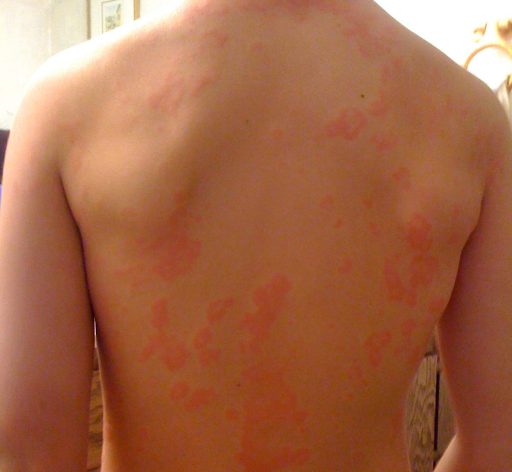
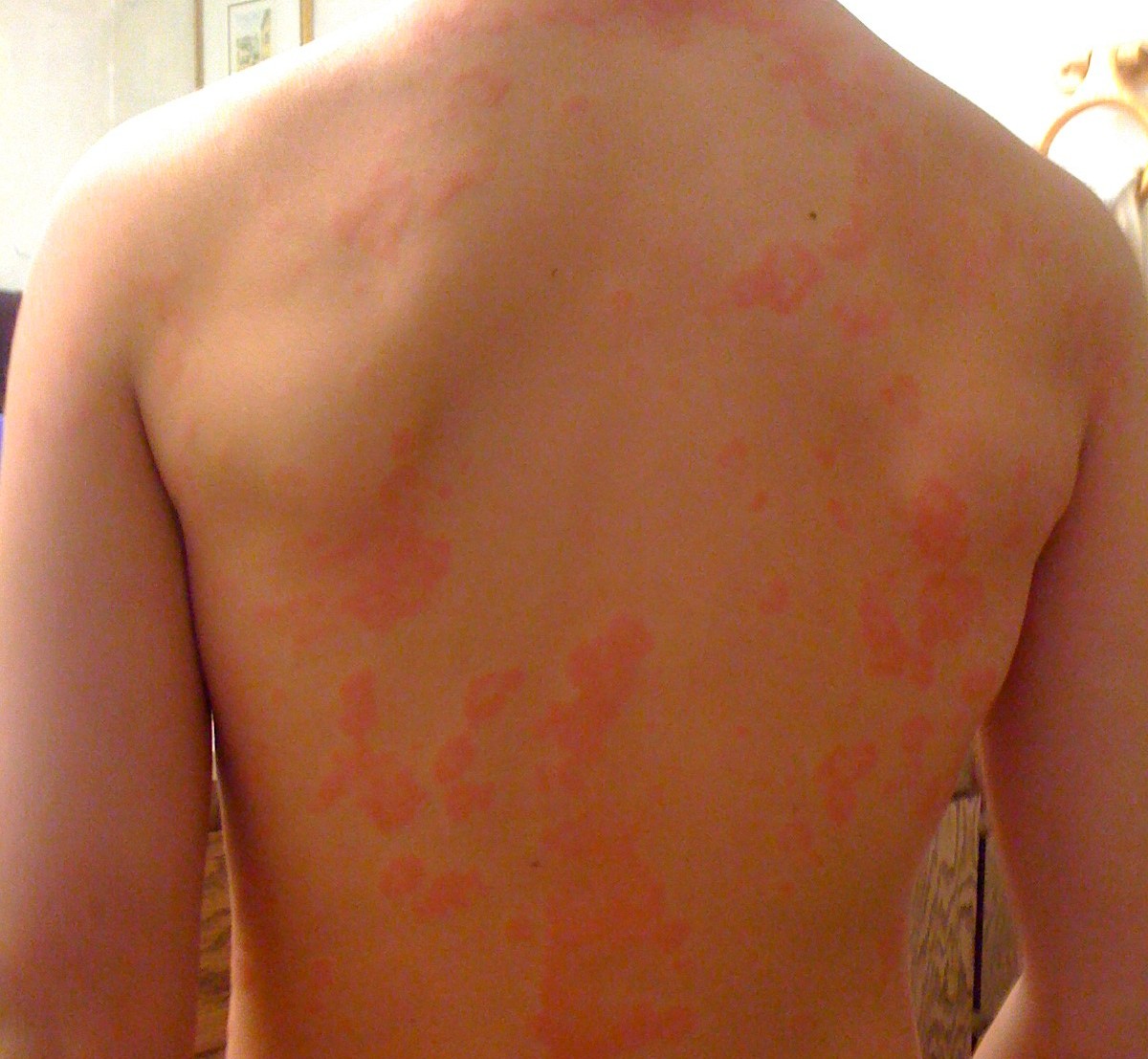
Short-Term Hives That Last Less Than Six Weeks
Acute urticaria is hives that last less than six weeks. It is the most common type, affecting many people at least once, and often resolves in days. Children and young adults are especially likely to have it.
Common Triggers
- Infections: viral illnesses are the most frequent trigger, particularly in children
- Foods: shellfish, nuts, eggs, milk
- Medications: antibiotics, aspirin and other NSAIDs
- Insect stings
In many cases no cause is found. See what causes hives.
How Long Does It Last?
Each welt fades within 24 hours, though new ones can keep appearing for days or a few weeks. If hives last beyond six weeks they are considered chronic hives.
What to Do
- Stop any suspected trigger food or medicine and tell your doctor.
- Take a non-sedating antihistamine as labeled.
- Use a cool compress and loose clothing.
- Seek care if symptoms last more than a few days or return.
Read our guide to getting rid of hives.
When to Call 911
Go to the emergency room or call 911 immediately if hives are accompanied by difficulty breathing, wheezing, throat tightness, swelling of the lips, tongue or face, light-headedness or a sense that something is seriously wrong. These are warning signs of anaphylaxis.
When to See a Doctor
See a doctor if your symptoms last more than a few days, keep coming back, cover large areas, or interfere with sleep or daily life. If you would like a specialist’s opinion, Dr. Tiffany Young’s Hives Treatment Center in San Francisco offers online and in-person consultations for acute urticaria.
Frequently Asked Questions About Acute Urticaria
Is acute urticaria an allergy?
Sometimes, as with a food or medicine allergy, but often it is triggered by infection.
Do I need allergy tests?
Usually only if a specific trigger is suspected.
How soon do antihistamines work?
Many people notice relief within an hour or two.
Get Relief for Your Hives
Short-term hives usually clear up, and relief is possible while they do. Visit our hives treatment page to see the latest treatment options for your outbreak.
This information is for educational purposes only and is not a substitute for professional medical advice, diagnosis or treatment. If you think you are having a medical emergency, call 911.