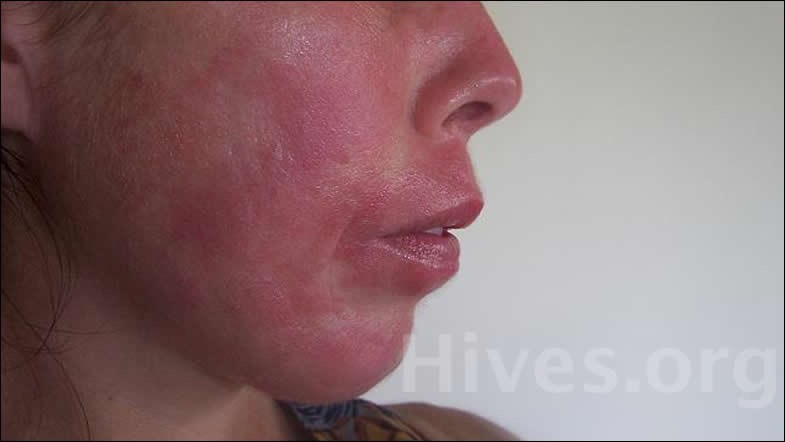
Hives Treatment Center Over 150,000 patients helped since 2001
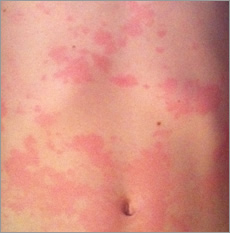

Dr. Tiffany Davies has been helping people suffering from urticaria since 2001. She first got started researching hives when her daughter came down with a terrible case caused by touching raw eggs. She had no idea a rash like this could even be caused by something as innoculous as raw eggs. Since then, she's expanded her website to accomodate for the many different types of hives (such as stress induced hives and chronic hives), their symptoms and hives treatment options.
If you are wondering what a typical hives rash outbreak looks like, please see our pictures of hives page and of course feel free to contact Dr. Davies with any rash related questions you may have.
Hives Symptoms
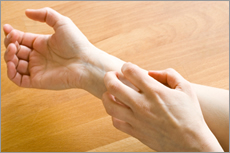
A hives rash is easy to identify as there are only a few symptoms that everyone with hives experiences.
Learn more »
Hives Rash FAQs
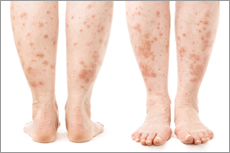
Find the answers to all your hives rash questions by visiting our hives rash FAQ page.
Learn more »
Hives Treatments

There are many different hives treatment options availble these days. Find out what works and why.
Best Hives Treatment |
|
 |

Best Ways To Get Rid Of Hives
If you're wondering how to get rid of your hives at home, then we can help. We've created a special Top 10 Best Ways To Get Rid Of Your Hives list that is going to be exactly what you need to determine what is causing your hives and how to stop them quickly and at home with natural remedies.
Are They Contagious?
Hives (AKA urticaria) is not contagious by any means. They are a skin disorder that results in red, sometimes itching patches of raised skin. The patches of skin can be small or large, and generally appear quite fast and disappear on their own within hours or days. They can be as small as a few millimeters and as large as inches, and can even join together to become large areas called plaques. When they join together all over your body, they are generally known as body hives. This form of rash is often quite itchy in nature and can burn. Learn more on our page title "Are Hives Contagious?"
Can Stress Cause Chronic Hives?
Stress hives are also known as a stress rash or as stress bumps. They develop due to chronic stress or tension, and appear as red raised areas and swollen areas on the skin that seem to suddenly appear. They cause itching most of the time, and some people report having a burning or stinging sensation wherever they appear. Learn more about how stress can cause chronic urticaria on our stress rash page.